
 English
 Español
 عربى
عربى русский
 Français

Understanding DTF Film's Application on Light Fabrics
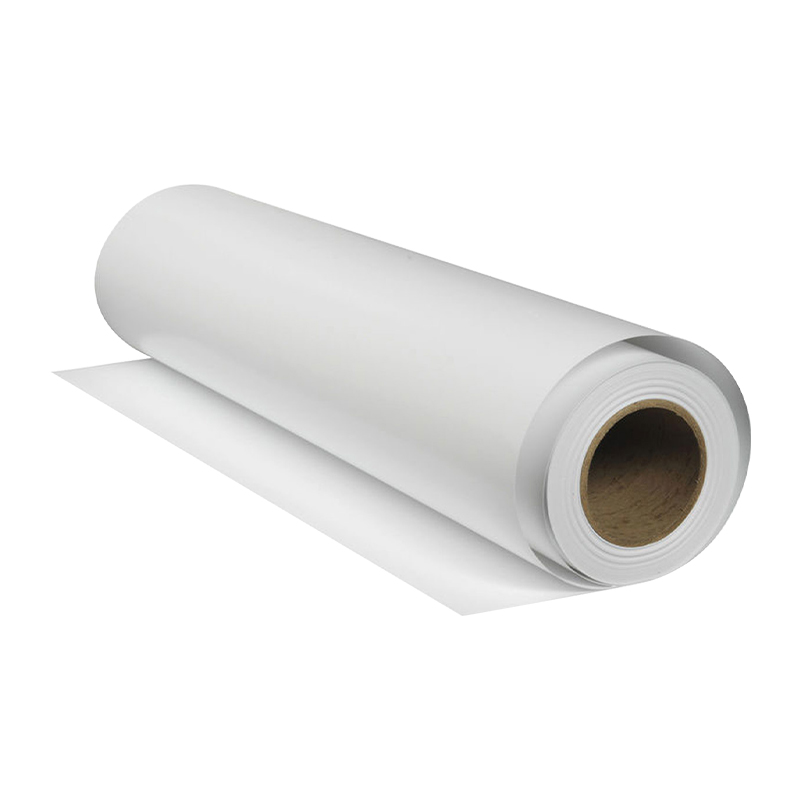
DTF heat transfer film is not only compatible with light garments but is often considered one of its most straightforward and effective applications. The process involves printing a design in full color onto a clear PET film, applying a thermoplastic adhesive powder, and then heat-pressing the entire transfer onto the fabric. On light-colored garments such as white, pastel yellow, or light gray, the transparent film background simply disappears during the transfer process. This leaves only the printed design and a thin layer of adhesive embedded into the garment's fibers, resulting in a vibrant, detailed graphic. The key advantage over other methods like sublimation (which requires polyester) is that DTF works on a vast range of light-colored cotton, polyester, and blended fabrics with equal ease.
The Technical Advantages for Light Garments
The efficacy of DTF on light garments stems from its fundamental process. Unlike traditional vinyl which is cut, or DTG (Direct-to-Garment) which prints directly onto the shirt but can struggle with pretreatment, DTF creates a complete, flexible transfer.
Superior Color Vibrancy and Detail
Because the design is printed onto the film first, printers can lay down dense, opaque ink layers, including a brilliant white underbase. This white layer is printed as part of the design and sits beneath the colors, ensuring they pop with maximum opacity and no fabric show-through, even on bright white shirts. This allows for photorealistic images, intricate details, and vibrant colors that are consistent from one shirt to the next.
Elimination of Fabric Show-Through
The adhesive powder, when melted, creates a solid yet flexible layer that bonds the ink to the garment. This layer completely blocks the underlying fabric color from interfering with the printed design, guaranteeing that the colors in your artwork are the only colors visible.
Step-by-Step Process for Optimal Results
To achieve the best quality on light garments, a precise workflow must be followed. Deviations can lead to issues like poor adhesion or a stiff hand feel.
- Printing: The design is mirrored and printed onto the clear PET film using dedicated DTF inks. A white ink layer is printed last (or first, depending on printer setup) and serves as the opaque base for color inks.
- Powdering: While the ink is still wet, a fine-mesh adhesive powder is evenly applied. The powder only sticks to the wet ink areas, not the clear film.
- Curing: The powdered film passes through a curing oven or tunnel. This melts the powder, encapsulating the ink droplets and creating a cohesive, dry transfer sheet.
- Heat Pressing: The cured transfer is placed onto the light garment and pressed with a heat press. The recommended settings are typically:
Temperature Time Pressure 150-160°C (302-320°F) 12-15 seconds Medium to Firm - Peeling: After pressing, the garment should be allowed to cool completely to room temperature. Once cool, the PET film is peeled away slowly, leaving the design perfectly adhered to the fabric with a soft, flexible finish.
Critical Factors for Success and Durability
While the process is robust, attention to detail ensures professional, long-lasting results.
Cool vs. Hot Peel
For light garments, a cold peel is almost always mandatory. Allowing the transfer to cool completely ensures the adhesive has fully resolidified, creating a stronger bond to the fibers and resulting in a much softer hand feel. Hot peeling can cause stretching, glossiness, and reduced wash durability.
Garment Composition and Preparation
DTF adheres best to fabrics with some natural fiber content. A 100% cotton or 50/50 cotton-polyester blend is ideal. The garment must be completely dry and free of dust, lint, or finishes. Pre-pressing the garment for 2-3 seconds to remove moisture is a highly recommended best practice.
Wash Care Instructions
For maximum longevity of the transfer, instruct end-users to:
- Wash the garment inside out in cold or warm water.
- Use a mild detergent and avoid bleach or fabric softeners directly on the print.
- Tumble dry on low heat or air dry. Avoid high heat drying, which can over-stress the adhesive bond over time.
Properly applied, a DTF transfer on a light garment can withstand 50+ wash cycles with minimal fading or cracking.
Comparing DTF to Other Methods on Light Garments
Understanding where DTF excels helps in choosing the right decoration method.
| Method | Best For on Lights | Limitations on Lights |
| DTF Film | Full-color, complex designs; high opacity; mixed fabrics; small to large runs. | Slightly higher material cost than basic vinyl; requires specific equipment. |
| DTG Printing | Extremely soft hand feel; photorealistic designs on 100% cotton. | Requires garment pretreatment; can struggle with consistency and speed on poly blends. |
| Heat Transfer Vinyl (HTV) | Simple spot designs, text, and logos with solid colors. | Not practical for complex, multi-color photos; feel can be stiff; weeding is labor-intensive. |
| Sublimation | All-over prints with no feel on polyester garments. | Only works on white/polyester-coated surfaces; cannot be used on cotton. |
Troubleshooting Common Issues on Light Fabrics
Even on ideal light garments, problems can arise. Here are quick solutions:
- Poor Adhesion/Peeling: Increase press temperature or time within range. Ensure pressure is adequate and even. Confirm the garment is 100% dry and not silicone-treated.
- Cracking After Wash: This is often due to hot peeling or insufficient curing. Always use a cold peel and ensure your curing oven reaches the correct temperature to fully melt the adhesive powder.
- Glossy or Stiff Feel: Caused by excessive heat, pressure, or time during pressing. Re-optimize your heat press settings. A cold peel is essential for a soft hand.
- Powder Residue on Garment: This indicates excess powder was not shaken off properly after powdering. After curing, gently flex the transfer sheet to remove any loose powder before pressing.
In conclusion, DTF heat transfer film is exceptionally well-suited for light garments, offering a blend of vibrant print quality, material versatility, and operational efficiency that often surpasses alternative decoration techniques for a wide range of applications.
