
 English
 Español
 عربى
عربى русский
 Français

Home · Blog · Industry News · How does Heat Seal Aluminum Foil Compare to Plastic Film for Sealing?
Industry News
How does Heat Seal Aluminum Foil Compare to Plastic Film for Sealing?
Nov 21,2025Content
In modern packaging, sealing materials play a critical role in product safety, shelf life, and overall consumer experience. Two commonly used materials for sealing are Heat Seal Aluminum Foil and plastic film. Each has unique properties, advantages, and limitations. Understanding how they compare is essential for manufacturers, distributors, and consumers who aim to choose the most suitable packaging material for their products.
Composition and Structure
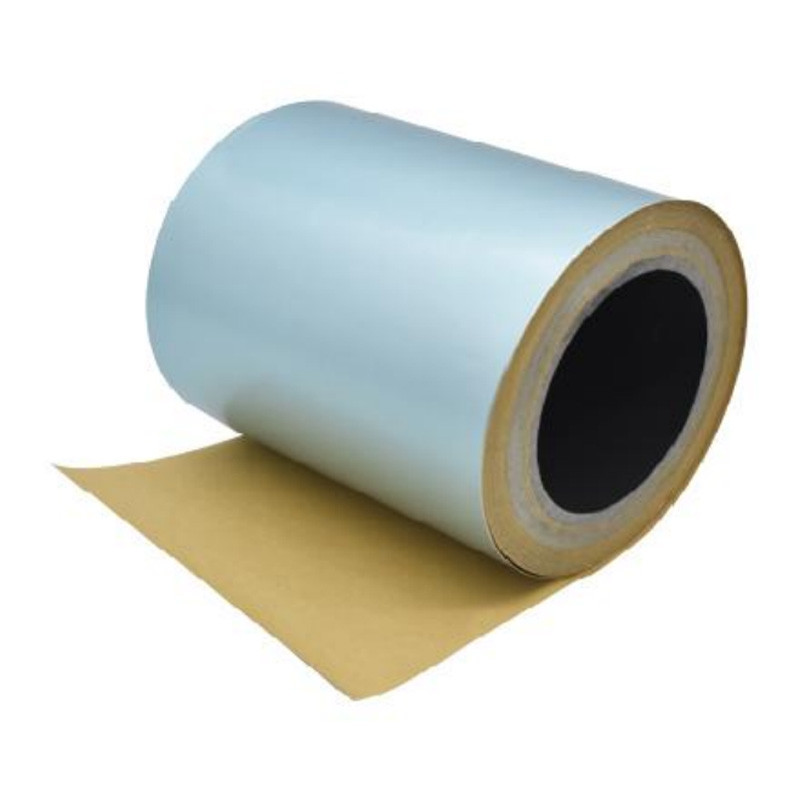
Heat Seal Aluminum Foil is a thin sheet of aluminum designed to form a hermetic seal when heat is applied. It is often combined with other layers, such as paper or plastic laminates, to enhance flexibility, strength, and sealing performance. Aluminum foil itself provides excellent barrier properties against light, oxygen, moisture, and contaminants, which are key factors in preserving food, pharmaceuticals, and sensitive industrial products.
Plastic film, on the other hand, is typically made from polymers such as polyethylene (PE), polypropylene (PP), or polyethylene terephthalate (PET). Plastic films can be single-layered or multi-layered with different combinations of polymers to achieve desired strength, clarity, and barrier properties. Unlike aluminum foil, plastics are inherently flexible and lightweight, which makes them easy to process in high-speed packaging lines.
Barrier Properties
One of the main differences between Heat Seal Aluminum Foil and plastic film is their barrier performance. Aluminum foil is nearly impermeable to oxygen, moisture, and light, making it ideal for products sensitive to oxidation or degradation. For instance, heat-sensitive foods, pharmaceuticals, and certain chemicals benefit significantly from the protection offered by aluminum foil. The barrier properties also extend the shelf life of perishable items by reducing spoilage caused by external environmental factors.
Plastic films, while versatile, often have lower barrier properties compared to aluminum foil. While multi-layered films can improve resistance to oxygen and moisture, they rarely achieve the same level of impermeability as aluminum foil. However, plastic films have the advantage of transparency, allowing consumers to view the packaged product directly, which can be desirable for retail presentation.
Heat Sealing Performance
Both Heat Seal Aluminum Foil and plastic film rely on heat sealing to create an airtight closure. Heat Seal Aluminum Foil typically requires a heat source and sometimes additional pressure to achieve a secure seal. The process forms a strong, tamper-evident barrier that is difficult to compromise without visible damage. This characteristic is particularly beneficial for pharmaceutical and food packaging, where product integrity is critical.
Plastic films can also be heat-sealed, often at lower temperatures and with faster processing times. Films like polyethylene are highly adaptable for automated packaging systems, making them efficient for high-volume production. However, some plastic films may be more prone to tearing or forming weak seals under improper heat or pressure settings, which can lead to leaks or spoilage.
Durability and Handling
In terms of physical durability, Heat Seal Aluminum Foil offers excellent puncture and tear resistance, especially when laminated with supporting materials. This makes it suitable for transporting heavy or sharp-edged products. Aluminum foil is also less affected by temperature fluctuations, maintaining its barrier properties in both freezing and high-temperature conditions.
Plastic films are generally more flexible and resistant to wrinkling, but they can be more susceptible to punctures or abrasions during handling. While innovations in polymer blends have improved their strength, plastic films still may require careful handling to prevent damage to the seal.
Environmental Considerations
Environmental impact is an increasingly important factor in material selection. Aluminum foil can be recycled effectively if collected and processed properly, but mixed laminates containing aluminum and plastic layers are more challenging to recycle. The production of aluminum also has a higher energy footprint compared to some plastics, although recycled aluminum significantly reduces this impact.
Plastic films, especially single-layer polyethylene, are easier to recycle in regions with established plastic recycling systems. However, the proliferation of multi-layer films and contamination from food residues can complicate recycling efforts. From a sustainability perspective, both materials require careful consideration regarding lifecycle, recyclability, and potential environmental impact.
Cost and Efficiency
Plastic films are generally more cost-effective than Heat Seal Aluminum Foil, particularly for high-volume packaging applications. Their lightweight nature reduces shipping costs, and their flexibility allows for faster processing speeds in automated lines. For companies looking to maximize efficiency and reduce production costs, plastic films may offer practical advantages.
Heat Seal Aluminum Foil, while often more expensive, provides added value through superior barrier protection and tamper-evident sealing. For high-value or sensitive products, the higher upfront cost may be justified by reduced spoilage, extended shelf life, and enhanced product safety.
Use Cases
The choice between Heat Seal Aluminum Foil and plastic film largely depends on the intended application:
-
Heat Seal Aluminum Foil is ideal for:
- Perishable food items like dairy, ready-to-eat meals, and coffee.
- Pharmaceuticals requiring strict barrier protection.
- Chemicals or sensitive industrial products prone to oxidation.
-
Plastic Film is suitable for:
- Snack foods and beverages where product visibility is important.
- Lightweight packaging that benefits from flexibility.
- High-speed packaging processes requiring low-cost materials.
Conclusion
In summary, both Heat Seal Aluminum Foil and plastic film have distinct advantages and limitations. Heat Seal Aluminum Foil excels in barrier protection, tamper resistance, and durability, making it ideal for sensitive or high-value products. Plastic films offer flexibility, cost-effectiveness, and transparency, making them well-suited for mass-market packaging and applications where visual appeal is important.
Selecting the right sealing material involves evaluating product sensitivity, shelf life requirements, packaging speed, environmental considerations, and cost. Understanding these factors ensures that manufacturers can make informed decisions, protect their products effectively, and meet consumer expectations.
Ultimately, the comparison is not about which material is universally better but about which material best aligns with specific packaging goals and operational needs.
Contact Us
Your email address will not be published. Required field are marked*
News Categories
- Company News(2)
- Industry News(44)
- Exhibition News(1)
Product Category
- No. 59, Zhufeng Road, Nanshan Park, Economic and Technological Development Zone, Ningguo City, Anhui Province
- [email protected]
- +86 13865932464
- +86 563-267 3898
