
 English
 Español
 عربى
عربى русский
 Français

Home · Blog · Industry News · What Industries Commonly Use Heat Seal Pure Aluminum Foil?
Industry News
What Industries Commonly Use Heat Seal Pure Aluminum Foil?
Nov 28,2025Content
- 1 1. Food & Beverage Industry
- 2 2. Pharmaceutical & Healthcare Industry
- 3 3. Cosmetics & Personal Care Industry
- 4 4. Nutritional Supplements & Wellness Products
- 5 5. Chemical & Industrial Manufacturing
- 6 6. Electronics & Semiconductor Industry
- 7 7. Agricultural & Seed Industry
- 8 8. Automotive & Aerospace Industries
- 9 9. Tobacco & Cannabis Packaging
- 10 10. Household & Consumer Goods
- 11 Why This Material Is So Widely Used
- 12 Conclusion
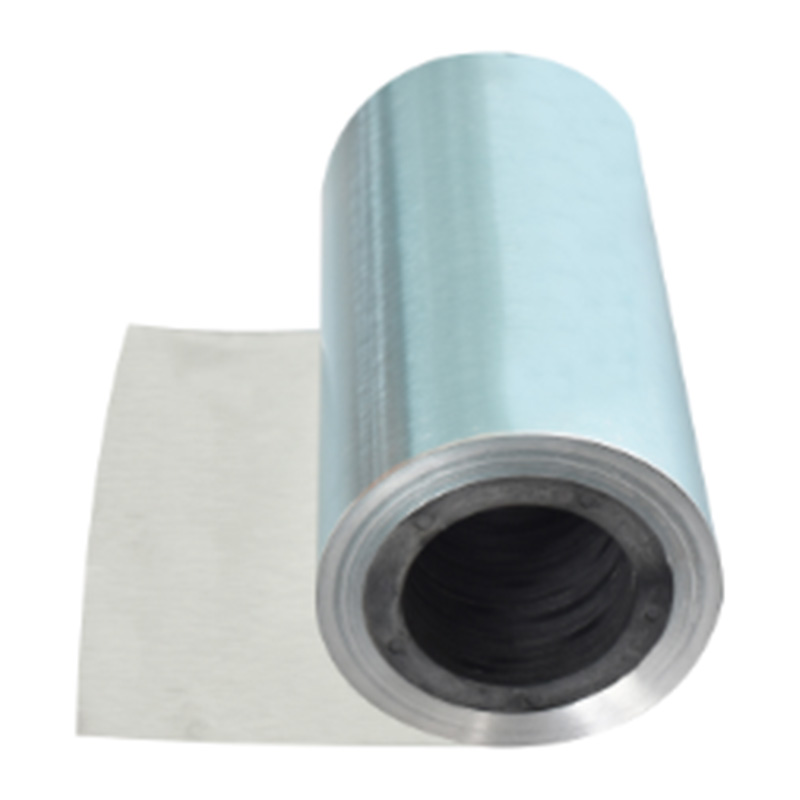
Heat seal pure aluminum foil is a specialty material valued for its combination of barrier protection, heat-sealing capability, flexibility, and durability. While aluminum foil in general is widely recognized for packaging and insulation, the heat-seal variant plays an especially important role in sectors where product integrity, contamination control, and extended shelf life are crucial. Its applications are far more diverse than many people realize—spanning from food packaging to complex industrial uses.
1. Food & Beverage Industry
The food and beverage industry is one of the largest consumers of heat seal pure aluminum foil. Its role here revolves around maintaining freshness, preventing contamination, and prolonging shelf stability.
A. Flexible Food Packaging
Foods that are sensitive to moisture, oxygen, odors, and light benefit greatly from aluminum foil’s barrier properties. Heat-seal foil is often used for:
- Ready-to-eat meal pouches
- Snack packaging such as chips, nuts, dried fruits, and protein bars
- Coffee and tea packs
- Instant soup and sauce sachets
Heat sealing allows manufacturers to ensure an airtight environment inside the package, protecting product quality throughout storage and transport.
B. Dairy & Beverage Applications
You’ll commonly find pure aluminum foil in:
- Yogurt cup lids
- Milk powder can seals
- Juice and beverage seals
- Butter and cheese wrapping
The foil seals help maintain hygiene, prevent oxidation, and safeguard flavor. Because dairy products are highly sensitive to temperature and exposure, aluminum’s thermal and light-blocking abilities offer strong advantages.
C. Convenience Foods
Microwaveable and ready-meal sectors also rely on heat seal foil, especially those requiring:
- High-temperature resistance
- Controlled atmosphere packaging
- Reliable sealing for liquid or semi-liquid foods
Overall, the food industry depends on heat seal aluminum to ensure safety and extend shelf life while supporting the convenience demanded by modern consumers.
2. Pharmaceutical & Healthcare Industry
Few sectors demand as much precision and contamination control as pharmaceuticals. Heat seal pure aluminum foil is indispensable here because it provides nearly absolute protection from:
- Moisture
- Oxygen
- Light
- Microbial contamination
A. Blister Packaging
Pharmaceutical blister packs—which house tablets and capsules—often use pure aluminum for the lidding material. The foil must:
- Heat-seal reliably to PVC, PVDC, or other blister materials
- Be easy for patients to peel or push through
- Resist puncture and abrasion
This type of packaging ensures dosage accuracy and protects medicine potency throughout its shelf life.
B. Sachets and Medical Pouches
Heat seal aluminum foil is commonly used for:
- Oral rehydration salts (ORS) sachets
- Powdered medications
- Topical ointment pouches
- Diagnostic kit pouches
In these applications, the foil helps preserve the chemical stability of sensitive compounds.
C. Sterile Medical Supplies
Tools and components used for clinical procedures often require sterile barrier systems. Heat seal aluminum foil provides a protective layer for:
- Syringe components
- Surgical instruments
- Catheters
- Testing strips
Its hygienic properties reduce the risk of contamination during storage and handling.
3. Cosmetics & Personal Care Industry
Cosmetics contain oils, fragrances, active ingredients, and preservatives that can degrade with exposure to air, moisture, and sunlight. Heat seal aluminum foil’s barrier qualities keep these formulations stable.
A. Skincare and Beauty Packaging
Common uses include seals for:
- Jars of creams or lotions
- Serum bottles
- Anti-aging formulations
- Face masks in foil pouches
The sealed foil layer helps prevent oxidation, ensuring the product remains effective.
B. Hair Care and Dye Products
Hair coloring kits often contain:
- Foil-sealed developer lotions
- Powder dye components
- Conditioning treatments
Heat-sealed foil protects the chemical stability of these materials, which are often reactive or sensitive to environmental exposure.
C. Sample Packs
Brands use small foil sachets to distribute:
- Perfume samples
- Creams and lotions
- Single-use treatments
The foil maintains product potency and prevents evaporation or contamination.
4. Nutritional Supplements & Wellness Products
Supplements—like vitamins, minerals, herbal blends, protein powders, and nutraceutical products—benefit from protective packaging due to their sensitivity to oxidation and humidity.
A. Capsule & Tablet Packaging
Similar to pharmaceuticals, supplement tablets are often sealed inside:
- Blister packs
- Individual pouch packs
- Foil-sealed bottles
B. Powdered Supplements
Heat seal aluminum foil is a top choice for:
- Protein powder sample packs
- Pre-workout sachets
- Collagen and superfood blends
The foil helps maintain powder dryness and potency, reducing the risk of clumping or degradation.
5. Chemical & Industrial Manufacturing
Heat seal pure aluminum foil is used in industries where chemicals must be stored or transported safely. It protects materials from reacting with environmental moisture or air and from leaking into the environment.
A. Chemical Powders and Reagents
Many chemical compounds, especially hygroscopic or reactive powders, require moisture-free packaging. Heat seal foil provides a robust barrier for:
- Laboratory reagents
- Industrial powders
- Stabilizers and catalysts
B. Lubricants and Adhesives
Some industrial adhesives and lubricants are packaged in small foil sachets to ensure:
- Leak-proof sealing
- Freshness at the time of opening
- Controlled single-use application
C. Corrosion-Sensitive Materials
Items that oxidize easily may be wrapped or sealed with aluminum foil to protect their integrity during shipment or storage.
6. Electronics & Semiconductor Industry
Electronics manufacturing demands clean, controlled packaging to protect sensitive components.
A. Moisture-Sensitive Devices (MSDs)
Integrated circuits (ICs), chips, and semiconductors are often sealed in aluminum foil bags to prevent:
- Moisture damage
- Electrostatic discharge
- Corrosion
Heat-seal aluminum bags help maintain components in a dry, stable condition until assembly.
B. Battery Components
Lithium batteries and related parts require protective packaging during shipping. Foil packaging prevents exposure to humidity, which is critical for stability and performance.
C. Sensors and Calibration Kits
Small sensors, calibration strips, and microelectronics benefit from foil packaging that protects against environmental fluctuations and contaminants.
7. Agricultural & Seed Industry
Seeds and agricultural chemicals are sensitive to humidity, insects, and microbial contamination.
A. Seed Packaging
Seeds must remain dry and viable. Heat seal aluminum foil:
- Protects from moisture that could trigger premature germination
- Blocks pests and mold
- Extends shelf life for seasonal use
B. Agricultural Chemical Sachets
Foil sachets often house:
- Fungicides
- Pesticides
- Fertilizer micro-packs
The packaging ensures chemicals do not degrade or leak.
8. Automotive & Aerospace Industries
Though less obvious, specialized manufacturing sectors also use heat seal pure aluminum foil.
A. Component Protection
Sensitive automotive parts, such as electronic control units (ECUs), sensors, and precision metal components, are sometimes sealed in foil pouches to prevent corrosion during long-distance shipping.
B. Aerospace Materials
Aircraft manufacturing involves materials that must remain contamination-free. Foil protection may be used for:
- Composite prepregs
- Adhesive films
- Specialty coatings
These materials require moisture barrier packaging to preserve their performance characteristics.
9. Tobacco & Cannabis Packaging
Tobacco and cannabis both require protective packaging for freshness, potency, and compliance with safety regulations.
A. Tobacco Products
Heat seal aluminum is used in:
- Cigarette inner liners
- Loose tobacco pouches
- Snuff and nicotine pouch packaging
It maintains aroma and prevents product drying.
B. Cannabis & CBD Products
Foil pouches are common for:
- Flower packaging
- Edibles
- Vape cartridges
- Concentrates
The barrier prevents light degradation, odor leakage, and moisture infiltration.
10. Household & Consumer Goods
Everyday products frequently use heat seal aluminum foil without consumers even noticing.
A. Cleaning Products
Single-use detergent pods, wipes, and cleaning concentrates are often packaged in foil pouches.
B. Batteries & Small Electronics
Button cell batteries and small parts frequently come in heat-sealed foil blister packs.
C. Pet Care Products
Pet food samples, nutritional supplements, and flea treatments use foil packaging for freshness and stability.
Why This Material Is So Widely Used
Heat seal pure aluminum foil is valued across industries for several key reasons:
1. Exceptional Barrier Properties
It effectively blocks:
- Light
- Oxygen
- Moisture
- Oils
- Odors
- Microbes
2. Secure and Reliable Sealing
Heat sealing creates a strong bond that helps prevent leaks and contamination.
3. Chemical Resistance
Pure aluminum does not react with most substances, making it suitable for pharmaceuticals, chemicals, and food products.
4. Lightweight Yet Durable
It offers robust protection without significantly increasing package weight.
5. Compatibility with Various Laminates
Aluminum can be bonded with paper, plastic films, and polymers to achieve specific performance characteristics.
Conclusion
Heat seal pure aluminum foil is a versatile, high-performance material used across a wide spectrum of industries. Its unique combination of protective qualities, durability, and sealing capability makes it indispensable in food packaging, pharmaceuticals, cosmetics, electronics, chemicals, agriculture, and more. Whether ensuring medication remains potent, snacks stay fresh, or electronic components avoid moisture damage, heat seal aluminum foil plays a silent yet essential role in modern life.
Understanding its wide range of applications helps manufacturers, suppliers, and consumers appreciate why this material remains a go-to choice for high-integrity packaging solutions. As industries continue to innovate, the use of heat seal pure aluminum foil is likely to expand even further, supporting safety, sustainability, and product quality across global markets.
Contact Us
Your email address will not be published. Required field are marked*
News Categories
- Company News(2)
- Industry News(43)
- Exhibition News(1)
Product Category
- No. 59, Zhufeng Road, Nanshan Park, Economic and Technological Development Zone, Ningguo City, Anhui Province
- [email protected]
- +86 13865932464
- +86 563-267 3898
