
 English
 Español
 عربى
عربى русский
 Français

Home · Blog · Industry News · How Durable is DTF Heat Transfer Film on Everyday Clothing?
Industry News
How Durable is DTF Heat Transfer Film on Everyday Clothing?
Oct 31,2025Content
In recent years, DTF Heat Transfer Film has gained significant attention in the custom apparel and textile industry. Offering vibrant colors, flexibility, and compatibility with a variety of fabrics, DTF transfers have become a popular alternative to traditional printing methods. However, one of the most common concerns among users—whether hobbyists, small business owners, or manufacturers—is durability. Understanding the factors that affect the longevity of DTF Heat Transfer Film on everyday clothing is crucial for achieving consistent, high-quality results.
Understanding DTF Heat Transfer Film
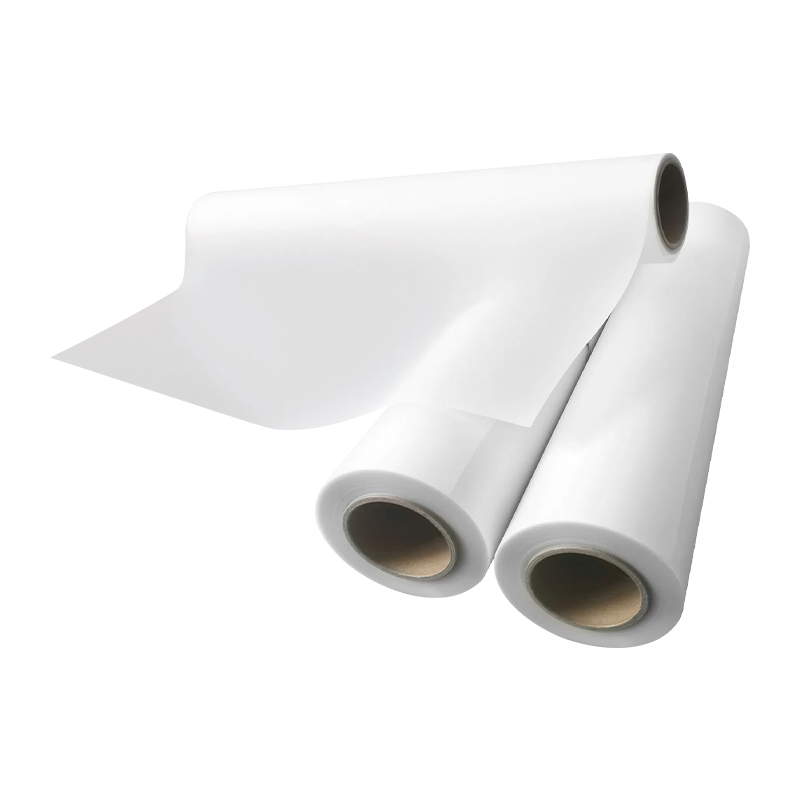
DTF (Direct-to-Film) Heat Transfer Film involves printing a design onto a specialized film using water-based pigment inks, then applying a powdered adhesive layer that allows the design to bond with fabric when heat-pressed. Unlike conventional heat transfer vinyl (HTV) or sublimation, DTF can be applied to a wide range of fabrics, including cotton, polyester, blends, and even some synthetic materials.
The process generally involves three steps:
- Printing the design on a clear or opaque DTF film using a DTF-compatible printer.
- Applying the adhesive powder evenly across the printed film.
- Transferring the design onto the garment using a heat press at controlled temperature and pressure.
This combination of ink, adhesive, and heat allows for a durable bond with the fabric, but the actual longevity can vary depending on multiple factors.
Factors Affecting Durability
The durability of DTF Heat Transfer Film on everyday clothing is influenced by several interrelated factors:
-
Fabric Type
The type of fabric plays a significant role in transfer longevity. Natural fibers like cotton often provide a more consistent bonding surface for the adhesive. Polyester and synthetic blends, while compatible, may require adjustments in temperature or pressing time to ensure proper adhesion. Fabrics with loose weaves or textured surfaces may also affect the bond, leading to premature peeling or cracking. -
Quality of DTF Film and Ink
Not all DTF films and inks are created equal. Higher-quality films typically have better heat resistance, more consistent adhesive distribution, and better ink absorption. Using substandard film or low-quality inks can reduce wash durability and color retention, leading to fading or flaking after a few washes. -
Heat Press Settings
Proper temperature, pressure, and dwell time during heat pressing are critical. For most DTF applications, a temperature range between 150°C and 160°C (300°F–320°F) and medium pressure is recommended. Overheating may cause the adhesive to degrade, while insufficient heat can prevent the film from bonding properly. Dwell time also matters—pressing too long or too short can impact durability. -
Application Technique
How the DTF Heat Transfer Film is applied affects its long-term performance. Uneven pressure, misalignment, or shifting during pressing can create weak points that peel or crack over time. Using a Teflon sheet or silicone paper can help distribute heat evenly and protect both the garment and the film. -
Post-Application Care
Even a perfectly applied DTF transfer requires proper care to maintain durability. Machine washing in cold water, avoiding harsh detergents or bleach, and turning garments inside out during washing can significantly extend the life of the transfer. High-heat drying or ironing directly on the transfer should be avoided.
Longevity on Everyday Clothing
When applied correctly, DTF Heat Transfer Film can remain durable for hundreds of washes, making it suitable for everyday wear. However, expectations should be realistic. While the film is flexible and resistant to cracking, extremely abrasive activities or repeated high-temperature washing may gradually reduce its lifespan.
Users generally report that DTF transfers maintain their color vibrancy and adhesion well over time, even on high-use garments like t-shirts, hoodies, and sportswear. Compared to traditional screen printing, DTF offers a softer hand feel, meaning the transfer does not feel heavy or rigid, which contributes to comfort and wearability.
Comparing Durability: DTF vs Other Methods
To contextualize durability, it is useful to compare DTF Heat Transfer Film to other common methods:
- Heat Transfer Vinyl (HTV): HTV tends to be thicker and may peel or crack over time, especially on stretch fabrics. DTF’s thinner layer and powder-based adhesive generally provide a softer, more resilient finish.
- Sublimation Printing: Sublimation works best on polyester fabrics and is inherently very durable, but it cannot be used effectively on cotton. DTF, on the other hand, works on a wider range of fabrics while maintaining reasonable durability.
- Screen Printing: Traditional screen printing offers excellent durability but can be costly for small runs and may feel heavier on the garment. DTF offers comparable durability with lower setup costs for short runs.
Troubleshooting Durability Issues
Even with proper materials and techniques, some users may encounter durability issues. Common problems and solutions include:
- Peeling or Flaking: Often caused by insufficient heat, pressure, or adhesive. Re-pressing with proper temperature and pressure can help, but in some cases, the transfer may need to be replaced.
- Cracking: Usually results from stretching the fabric too aggressively after pressing or using a very thick design layer. Using thinner layers or reducing stretching during wear can mitigate this.
- Fading: Low-quality inks or excessive washing in hot water can cause colors to fade. Opting for high-quality pigment inks and following washing instructions is key.
Best Practices to Maximize Durability
- Pre-press the garment to remove moisture and wrinkles before applying DTF.
- Use a high-quality heat press with consistent temperature and pressure.
- Apply even pressure with a protective sheet between the press and transfer.
- Follow washing instructions closely: cold water, inside-out washing, gentle detergents.
- Avoid high-heat drying or ironing directly over the transfer.
- Test small batches on similar fabric before large production runs to ensure proper adhesion.
Conclusion
DTF Heat Transfer Film offers a compelling combination of vibrant colors, flexibility, and durability, making it suitable for everyday clothing. Its longevity depends on factors such as fabric type, quality of materials, heat press settings, and post-application care. While it may not be entirely impervious to extreme washing or rough handling, proper application and maintenance allow DTF transfers to withstand daily wear and repeated washing effectively.
For individuals and small businesses exploring custom apparel, DTF Heat Transfer Film provides a reliable, versatile option. By understanding the factors that affect durability and adopting best practices, users can confidently produce garments that retain their design integrity for the long term.
Contact Us
Your email address will not be published. Required field are marked*
News Categories
- Company News(2)
- Industry News(44)
- Exhibition News(1)
Product Category
- No. 59, Zhufeng Road, Nanshan Park, Economic and Technological Development Zone, Ningguo City, Anhui Province
- [email protected]
- +86 13865932464
- +86 563-267 3898
