
 English
 Español
 عربى
عربى русский
 Français

Home · Blog · Industry News · How Long Does DTF Ink Last on Printed Garments?
Industry News
How Long Does DTF Ink Last on Printed Garments?
Nov 07,2025Content
- 1 Understanding DTF Ink and Its Application
- 2 Average Lifespan of DTF Ink on Garments
- 3 Factors That Affect the Longevity of DTF Ink
- 4 Environmental Exposure and DTF Ink Durability
- 5 Comparing DTF Ink Durability with Other Printing Methods
- 6 Common Signs of DTF Ink Degradation
- 7 Extending the Lifespan of DTF Prints
- 8 Practical Expectations for Consumers and Print Businesses
- 9 Future Developments in DTF Ink Durability
- 10 Conclusion
In the world of custom apparel printing, durability is a critical factor that determines both product quality and customer satisfaction. Among the various printing technologies available today, Direct to Film (DTF) printing has rapidly gained attention for its versatility, vibrant color output, and compatibility with different fabric types. However, one question continues to be asked by both print shop owners and consumers alike: “How long does DTF ink last on printed garments?”
Understanding DTF Ink and Its Application
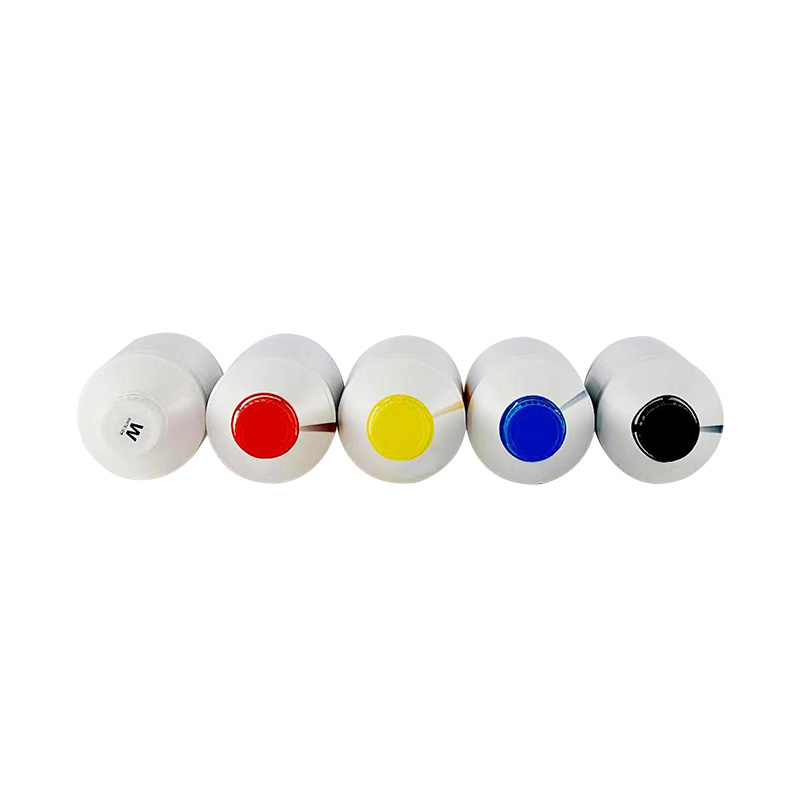
Before discussing how long DTF ink lasts, it helps to understand what makes this printing method unique. DTF (Direct to Film) printing involves printing a design onto a special PET film using DTF inks—typically water-based pigment inks—followed by applying a hot-melt adhesive powder. The film is then heat-pressed onto the garment, allowing the design to transfer and bond with the fabric fibers.
Unlike DTG (Direct to Garment) printing, which relies on ink absorption into fabric, DTF prints form a thin, flexible film layer on the fabric surface. This makes the print more resilient to washing and friction. The ink system, adhesive layer, and curing process all contribute to the final print’s durability.
DTF inks are generally made of pigmented polymers, meaning the colorants are locked in a resin base that provides both color brilliance and protection. The result is a vivid print capable of withstanding multiple washing cycles when properly applied and cared for.
Average Lifespan of DTF Ink on Garments
The longevity of DTF ink depends heavily on application quality and garment care. On average, well-printed and properly cured DTF transfers can last between 50 to 100 wash cycles before noticeable fading or cracking occurs. Some high-quality systems, when paired with optimized curing temperatures and premium inks, can extend even beyond this range.
However, this average lifespan assumes correct handling during every stage—printing, curing, heat pressing, and washing. If any of these steps are mishandled, the durability of the print may significantly decrease.
To put this into perspective:
- High-quality DTF prints (with proper application) → 80–100 washes
- Standard-quality prints (moderate care) → 40–60 washes
- Poorly applied transfers (under/over cured, poor washing habits) → <30 washes
Thus, while DTF ink has excellent durability potential, real-world performance depends largely on how well the process is executed.
Factors That Affect the Longevity of DTF Ink
1. Ink Quality
Not all DTF inks are created equal. The chemical composition, pigment concentration, and binder quality determine how resistant the print will be to environmental stress. High-quality DTF inks are formulated to resist ultraviolet light, moisture, and heat—all of which play key roles in degradation.
Substandard inks often contain lower-grade pigments that fade faster or bind poorly with adhesive layers, leading to premature peeling or dullness.
Tip: Choose inks from reputable manufacturers that specify wash resistance and pigment stability data. Always store inks properly to prevent contamination or thickening.
2. Film and Adhesive Powder Compatibility
DTF printing involves multiple components that must work together seamlessly. The PET film surface coating affects how well the ink adheres before transfer, while the adhesive powder determines how firmly the print bonds to fabric fibers.
If the adhesive layer is uneven or undercured, even the best ink will not last long. The powder should melt evenly and fully during pressing, forming a strong bond that resists repeated washing.
3. Fabric Type
While DTF technology works on various materials—cotton, polyester, blends, and even nylon—the fabric’s texture and weave influence adhesion strength and appearance longevity. Smooth, tightly woven fabrics tend to yield more durable results because they provide a consistent bonding surface.
Loose or stretchy fabrics, like spandex, may cause micro-cracks over time due to continuous movement and stretching, shortening the print’s life.
4. Heat Press Conditions
Temperature, pressure, and pressing duration are critical to achieving an optimal transfer. DTF ink requires a specific heat range (usually 150–165°C / 300–330°F) and pressure to ensure proper fusion between the adhesive and fabric.
Undercuring results in weak adhesion that can cause peeling during washing, while overcuring may cause ink brittleness or discoloration. Consistency in temperature and dwell time across the platen surface ensures that every part of the print receives equal bonding.
5. Washing and Care Practices
Even the most durable prints can degrade quickly if subjected to harsh washing conditions. Factors such as water temperature, detergent type, and mechanical agitation directly impact ink longevity.
To preserve DTF prints:
- Wash garments inside-out in cold or lukewarm water.
- Avoid bleach or strong detergents.
- Use gentle washing cycles to reduce friction.
- Air-dry whenever possible; high-heat tumble drying can cause cracking.
- Never iron directly on the printed area.
Adhering to these care instructions can nearly double the lifespan of DTF-printed apparel compared to unprotected washing routines.
Environmental Exposure and DTF Ink Durability
In addition to washing, exposure to sunlight and environmental humidity also influences DTF print longevity. Pigments can degrade under ultraviolet (UV) light if they lack sufficient UV-resistant additives. Similarly, high humidity can soften the adhesive layer, leading to reduced flexibility and potential edge lifting.
If DTF-printed garments are intended for outdoor or athletic use, selecting UV-stable DTF inks and applying a protective topcoat may significantly enhance performance.
Comparing DTF Ink Durability with Other Printing Methods
To better understand how long DTF ink lasts, it helps to compare it with other garment printing technologies:
| Printing Method | Typical Wash Durability | Key Strengths | Key Limitations |
| DTF Printing | 50–100 washes | Works on various fabrics, vibrant colors, good stretch resistance | May feel thicker on fabric; depends on curing accuracy |
| DTG (Direct to Garment) | 30–60 washes | Soft texture, detailed prints | Fades faster on polyester; sensitive to washing |
| Sublimation | 100+ washes | Excellent for polyester; permanent bond | Limited to light-colored polyester fabrics |
| Screen Printing | 80–100 washes | Extremely durable, bold colors | Labor-intensive; less efficient for small runs |
| Heat Transfer Vinyl (HTV) | 30–50 washes | Easy customization | Prone to cracking and peeling over time |
This comparison shows that DTF ink durability is comparable to screen printing and superior to DTG or HTV, especially when processed correctly. It offers a balanced combination of visual quality and longevity across diverse materials.
Common Signs of DTF Ink Degradation
Even with proper care, all printed garments eventually show signs of aging. Recognizing these early can help users decide when to replace or refresh designs.
Typical symptoms of DTF print wear include:
- Slight fading after 50+ washes, particularly in high-friction areas.
- Micro-cracking on elastic fabrics or heavily stretched zones.
- Peeling edges, often caused by incomplete curing or excessive heat exposure.
- Loss of gloss or color vibrancy, especially in UV-exposed garments.
While these signs are inevitable over time, consistent quality control during production can delay their appearance considerably.
Extending the Lifespan of DTF Prints
The following practices can help maximize how long DTF ink lasts on garments:
- Use premium DTF inks specifically formulated for your printer and film type.
- Store inks properly—in cool, dry conditions, away from sunlight.
- Maintain printer calibration to ensure even ink laydown and curing.
- Match adhesive powder grade to fabric type for optimal bonding.
- Pre-press garments for a few seconds to remove moisture before transfer.
- Ensure full curing with precise time, temperature, and pressure settings.
- Follow recommended wash care—gentle detergents, low heat, and air drying.
For business users, implementing a standardized quality checklist can dramatically improve print longevity and customer satisfaction rates.
Practical Expectations for Consumers and Print Businesses
For consumers, understanding the lifespan of DTF ink helps set realistic expectations. A well-made DTF-printed T-shirt can easily last for 2–3 years under regular use if proper washing guidelines are followed. The color may gradually soften, but the design typically remains intact much longer than many heat transfer or vinyl methods.
For businesses, this durability translates into fewer returns, stronger brand reputation, and higher perceived product value. However, success relies on consistent print quality and education—providing customers with care instructions is just as important as producing a visually appealing print.
Future Developments in DTF Ink Durability
As DTF technology continues to evolve, ink manufacturers are investing in advanced resin systems, nano-pigment formulations, and environmentally friendly binders that enhance print flexibility and resistance. New developments focus on improving elasticity, wash resistance, and UV stability, potentially extending the lifespan of DTF prints even further.
Some next-generation inks even incorporate self-healing polymer matrices, allowing micro-cracks to seal when exposed to mild heat—promising a major step forward in garment print longevity.
Conclusion
So, how long does DTF ink last on printed garments? With proper materials, application, and care, DTF prints can remain vibrant and intact for up to 100 washes or more, rivaling traditional screen printing in durability. The actual lifespan depends on multiple variables—ink quality, curing precision, fabric type, and post-print maintenance—but when all factors are optimized, DTF printing delivers exceptional performance and longevity.
Ultimately, the lasting appeal of DTF printing lies not only in its bright colors and versatility but also in its balance between practicality and endurance. For those seeking durable, high-quality prints that withstand everyday wear and washing, DTF printing stands as one of the most dependable solutions in modern garment decoration.
Contact Us
Your email address will not be published. Required field are marked*
News Categories
- Company News(2)
- Industry News(44)
- Exhibition News(1)
Product Category
- No. 59, Zhufeng Road, Nanshan Park, Economic and Technological Development Zone, Ningguo City, Anhui Province
- [email protected]
- +86 13865932464
- +86 563-267 3898
