
 English
 Español
 عربى
عربى русский
 Français

Home · Blog · Industry News · Is DTF Hot Melt Powder Suitable for Both Cotton and Polyester Fabrics?
Industry News
Is DTF Hot Melt Powder Suitable for Both Cotton and Polyester Fabrics?
Oct 23,2025Content
- 1 1. Understanding DTF Printing and the Role of Hot Melt Powder
- 2 2. What Makes Cotton and Polyester Different
- 3 3. The Compatibility of DTF Hot Melt Powder with Cotton
- 4 4. The Compatibility of DTF Hot Melt Powder with Polyester
- 5 5. Comparing Performance on Cotton vs. Polyester
- 6 6. Practical Tips for Achieving the Best Results
- 7 7. Can One Powder Work for All Fabrics?
- 8 8. Industry Perspective: Why DTF is Replacing Other Methods
- 9 9. Common Problems and How to Solve Them
- 10 10. Conclusion: Yes—With the Right Powder and Process
- 11 11. About the Supplier
In the realm of modern textile printing, Direct-to-Film (DTF) technology has rapidly become a disruptive innovation—bridging the gap between traditional heat transfer printing and direct-to-garment (DTG) methods. One of the critical materials that enable DTF’s impressive versatility is the DTF Hot Melt Powder. This powder acts as the adhesive layer that bonds the printed film to the fabric surface during the heat transfer process.
But a common question among printers and apparel manufacturers is this: Is DTF Hot Melt Powder suitable for both cotton and polyester fabrics?
The answer is not as simple as “yes” or “no.” While DTF Hot Melt Powder can indeed adhere to a wide variety of textile types, including both cotton and polyester, the success of the transfer depends on understanding the material properties, choosing the correct type of powder, and following the right application parameters. Let’s take a deeper look at how this works—and what professionals need to know to achieve optimal results.
1. Understanding DTF Printing and the Role of Hot Melt Powder
Before addressing fabric compatibility, it’s essential to grasp the function of DTF Hot Melt Powder in the printing process.
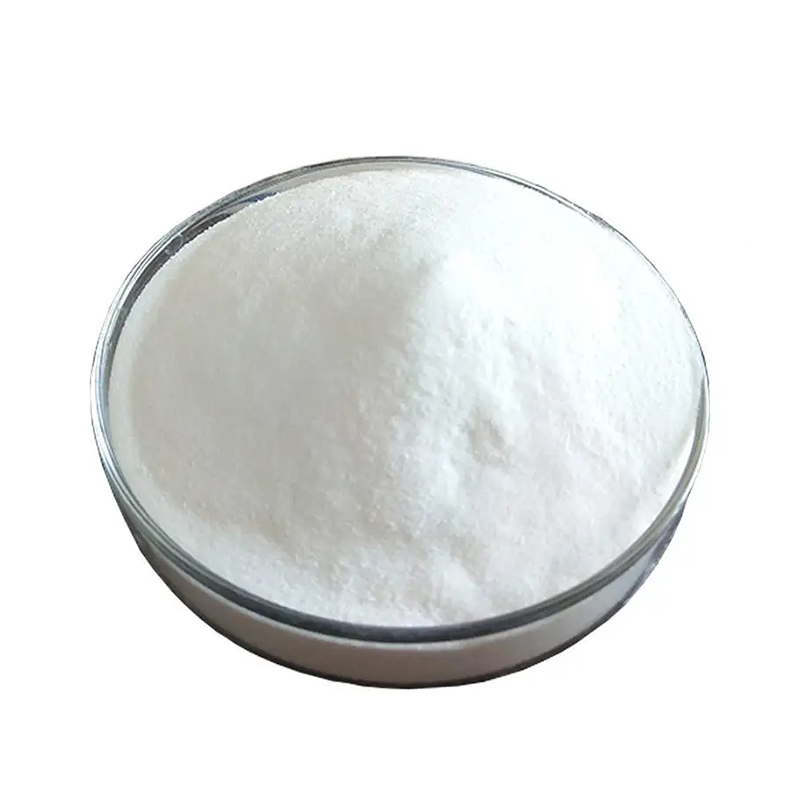
In DTF printing, designs are first printed onto a PET film using specialized DTF inks—typically a combination of CMYK and white ink layers. Once printed, DTF Hot Melt Powder (often made of thermoplastic polyurethane, or TPU) is evenly applied onto the wet ink. The powder adheres to the inked areas and is then cured or melted slightly to create a sticky adhesive layer.
When this prepared film is heat-pressed onto a garment, the melted adhesive fuses with the fibers of the fabric, permanently bonding the design. After cooling, the PET film is peeled away, leaving behind a vibrant, flexible, and durable print.
In short, the hot melt powder is the glue that makes the DTF process work. Without it, the ink would not properly adhere to the textile surface, and wash durability would be poor.
2. What Makes Cotton and Polyester Different
To understand how DTF Hot Melt Powder performs on these two materials, we first need to recognize the distinct properties of cotton and polyester.
2.1 Cotton: Natural and Absorbent
Cotton is a natural cellulose fiber known for its softness, breathability, and high absorbency. However, its porous nature can also be a challenge in printing. Cotton fibers tend to absorb moisture and ink, meaning that adhesion often relies more on surface bonding than deep penetration. This makes a strong, flexible adhesive layer—like DTF Hot Melt Powder—crucial to ensure wash resistance and color retention.
2.2 Polyester: Synthetic and Smooth
Polyester, on the other hand, is a synthetic polymer made from petroleum-based compounds. It has a smooth, non-porous surface and excellent dimensional stability. Because it resists moisture absorption, inks and adhesives often have a harder time adhering to its surface. Polyester fabrics also tend to react to heat more sensitively, which means that press temperature and dwell time need to be carefully managed to prevent fabric distortion or dye migration.
3. The Compatibility of DTF Hot Melt Powder with Cotton
DTF Hot Melt Powder works exceptionally well with cotton. In fact, cotton is often the easiest fabric type to print on using DTF technology.
3.1 Strong Adhesion
Cotton’s natural texture and absorbency create a favorable surface for the melted TPU powder to anchor into. The heat and pressure of the press allow the adhesive to penetrate slightly between the fibers, forming a durable mechanical bond.
3.2 Excellent Color Vibrancy
Because DTF inks sit on top of the surface rather than soaking in, colors remain vivid and sharp. The hot melt adhesive prevents bleeding and provides a smooth, even finish.
3.3 Durability and Wash Resistance
When applied correctly, DTF transfers on cotton can withstand dozens of wash cycles without significant fading or cracking. The elasticity of TPU-based hot melt powder allows the print to flex with the garment without peeling.
3.4 Recommended Parameters
For cotton fabrics, typical transfer settings include:
- Press Temperature: 160–170°C
- Press Time: 15–20 seconds
- Pressure: Medium (about 4–5 bar)
- Peel Type: Cold peel
Following these parameters ensures maximum adhesion and a professional-quality finish.
4. The Compatibility of DTF Hot Melt Powder with Polyester
Printing on polyester presents more technical challenges—but DTF Hot Melt Powder, when properly used, can achieve excellent results.
4.1 The Adhesion Challenge
Because polyester fibers are smoother and less absorbent, the melted adhesive must rely on surface bonding rather than penetration. High-quality DTF powders with fine particle size and enhanced flow characteristics can form a uniform film that tightly grips the polyester surface.
4.2 Heat Sensitivity and Dye Migration
Polyester’s synthetic composition makes it more sensitive to high temperatures. If overheated, it may warp or cause dye migration—where sublimated dyes from the fabric bleed into the transfer. To mitigate this, it’s best to use low-melt DTF Hot Melt Powder (melting point around 100–120°C) and carefully control the pressing temperature.
4.3 The Right Powder Matters
Manufacturers often supply different grades of DTF Hot Melt Powder—standard, fine, and low-melt variants. For polyester, low-melt powders are preferred because they fuse effectively at lower temperatures, reducing the risk of color shift or scorching.
4.4 Recommended Parameters
For polyester fabrics:
- Press Temperature: 130–150°C
- Press Time: 12–15 seconds
- Pressure: Medium to firm (4–6 bar)
- Peel Type: Cold peel
The combination of a slightly reduced temperature and optimal pressure ensures strong adhesion without fabric damage.
5. Comparing Performance on Cotton vs. Polyester
| Property | Cotton | Polyester |
| Adhesion Strength | Excellent | Very Good (with proper powder) |
| Color Vibrancy | Excellent | Excellent (may need pre-treatment for dark fabrics) |
| Wash Durability | High | Moderate to High (depending on temperature control) |
| Heat Tolerance | High | Medium |
| Ease of Transfer | Very Easy | Moderate |
| Recommended Powder Type | Standard TPU Powder | Low-Melt TPU Powder |
From this comparison, it’s clear that DTF Hot Melt Powder performs well on both cotton and polyester, though polyester requires more precise control and, ideally, a powder formulation tailored to lower melting temperatures.
6. Practical Tips for Achieving the Best Results
6.1 Use High-Quality DTF Hot Melt Powder
Low-grade powders can result in uneven adhesion, powder clumping, or yellowing after curing. Always choose powders from reputable suppliers who offer consistent granule size and reliable melting behavior.
6.2 Match the Powder to the Fabric
Different fabrics benefit from different adhesive characteristics. Cotton generally performs well with standard powders, while polyester—and blends—benefit from low-melt or fine-particle formulations.
6.3 Control the Heat and Pressure
Overheating can damage both the adhesive and the fabric. Always test temperature and pressure settings on a sample garment before full production. DTF transfer success relies heavily on maintaining uniform conditions.
6.4 Allow Complete Cooling Before Peeling
Cold peeling ensures that the adhesive fully crystallizes and bonds to the textile fibers. Peeling too early can cause partial lifting or reduced adhesion.
6.5 Pre-Treat for Difficult Fabrics
Some coated or sublimated polyester fabrics may require a pre-treatment spray or a quick lint-free wipe to remove surface oils that could interfere with bonding.
7. Can One Powder Work for All Fabrics?
While manufacturers often promote “universal” DTF Hot Melt Powders, it’s important to remember that different fabrics respond differently to temperature and bonding chemistry. A single powder can work across multiple textiles, but it may not deliver optimal performance in every case.
If your business frequently switches between cotton, polyester, and blends, consider maintaining two powder types:
- Standard DTF Hot Melt Powder for cotton, blends, and natural fibers.
- Low-Melt DTF Hot Melt Powder for polyester, nylon, or heat-sensitive materials.
This dual approach ensures consistent quality across diverse fabric types without compromising durability or visual quality.
8. Industry Perspective: Why DTF is Replacing Other Methods
Part of DTF’s appeal lies in its material flexibility. Unlike sublimation, which works best only on polyester, or DTG, which primarily suits cotton, DTF can transfer onto nearly any fabric—including blends, leather, canvas, and nylon—with proper settings and powder choice.
For textile businesses seeking scalability, DTF reduces waste, simplifies inventory, and enables faster production turnaround. The compatibility of DTF Hot Melt Powder with both cotton and polyester plays a significant role in this versatility.
9. Common Problems and How to Solve Them
Even with good materials, application errors can undermine results. Below are typical issues and remedies:
| Problem | Possible Cause | Solution |
| Poor Adhesion | Insufficient heat or pressure | Increase temperature slightly or extend press time |
| Powder Residue | Over-application or uneven coating | Use a powder shaker or tap off excess powder |
| Fading After Washing | Low-quality powder or incomplete curing | Use high-quality TPU powder and ensure full melting |
| Cracking of Design | Over-curing or brittle adhesive | Reduce curing temperature; use flexible TPU powder |
| Fabric Discoloration | Excessive heat on polyester | Switch to low-melt powder and lower press temperature |
10. Conclusion: Yes—With the Right Powder and Process
So, is DTF Hot Melt Powder suitable for both cotton and polyester fabrics?
Yes—absolutely. However, success depends on choosing the correct formulation and fine-tuning process parameters for each fabric type.
Cotton is highly compatible with standard DTF Hot Melt Powder, delivering strong adhesion, brilliant colors, and excellent wash durability. Polyester requires a more nuanced approach—preferably with a low-melt powder, moderate temperature, and careful handling to prevent dye migration.
As DTF technology continues to evolve, new formulations of hot melt powders are being developed to expand fabric compatibility, improve softness, and enhance wash performance. Manufacturers who invest in understanding these materials—rather than treating them as one-size-fits-all—will gain a decisive edge in print quality and production efficiency.
11. About the Supplier
Anhui Go-Wins (WAT) is a professional manufacturer and supplier specializing in adhesive materials and heat transfer solutions. With years of technical experience and global partnerships, the company provides a comprehensive range of DTF Hot Melt Powders, DTF Films, and adhesive tapes tailored for high-performance applications.
Driven by innovation and precision, Anhui Go-Wins (WAT) focuses on consistent quality, competitive pricing, and responsive service—helping customers achieve reliable printing outcomes across cotton, polyester, and blended fabrics alike.
Final Thoughts
DTF printing continues to redefine how apparel decorators approach customization. By mastering the characteristics of DTF Hot Melt Powder and its interaction with different textiles, you can unlock greater creative freedom and operational efficiency. Whether your production focuses on cotton T-shirts or polyester sportswear, the right powder—and the right process—will ensure your designs stand the test of time.
Contact Us
Your email address will not be published. Required field are marked*
News Categories
- Company News(2)
- Industry News(40)
- Exhibition News(1)
Product Category
- No. 59, Zhufeng Road, Nanshan Park, Economic and Technological Development Zone, Ningguo City, Anhui Province
- [email protected]
- +86 13865932464
- +86 563-267 3898
