
 English
 Español
 عربى
عربى русский
 Français

Home · Blog · Industry News · Revolutionizing Textile Printing: The Rise of DTF Heat Transfer Film
Industry News
Revolutionizing Textile Printing: The Rise of DTF Heat Transfer Film
Oct 23,2025Content
1. Introduction
The world of textile printing is in the midst of a quiet revolution. For decades, the industry was dominated by a few key players: the rugged, time-tested method of screen printing and the versatile, yet fabric-limited, process of sublimation. While effective, these methods often came with significant barriers—be it high setup costs, limitations on fabric type, or challenges with complex, full-color designs. Enter DTF (Direct-to-Film) Heat Transfer Film, a groundbreaking technology that is rapidly dismantling these barriers and democratizing high-quality, durable custom printing.
1.1 Definition of DTF (Direct-to-Film) Heat Transfer Film
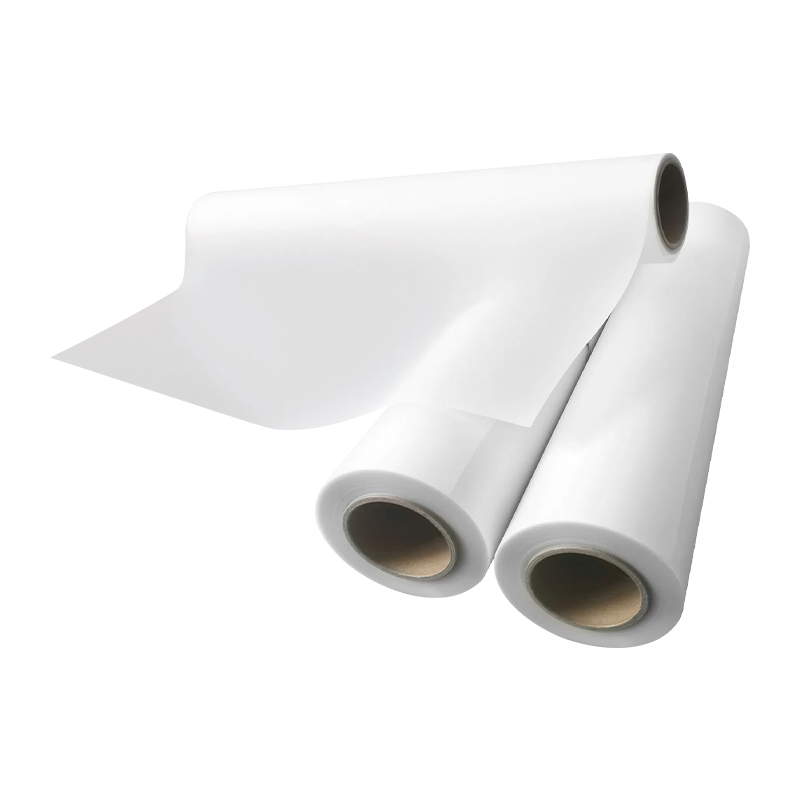
Direct-to-Film (DTF) is a digital printing process that involves printing a design onto a special, coated PET film using proprietary DTF inks. The freshly printed design is then sprinkled with a hot-melt adhesive powder, which bonds to the wet ink. After curing with heat to melt this powder into a cohesive layer, the entire design—now a flexible, adhesive-backed film—is heat-pressed onto a garment or textile. The film is then peeled away, leaving behind a soft, vibrant, and highly durable print directly on the fabric. This method is distinct for its ability to create a transfer that is separate from the printing process, offering unparalleled flexibility.
1.2 Brief History and Evolution of Textile Heat Transfer Methods
The journey to DTF has been one of continuous innovation. Screen Printing, the industry stalwart, excels in large runs but is notoriously inefficient and costly for small batches or complex, multi-colored designs. The advent of Direct-to-Garment (DTG) printing brought digital flexibility, allowing for photorealistic prints directly onto garments, but it struggled with cost-effectiveness on dark fabrics (requiring a white underbase) and could be finicky with fabric composition.
Sublimation emerged as a powerful solution for polyester fabrics, producing vibrant, permanent prints that become part of the fabric itself. However, its fundamental limitation is its inability to effectively print on cotton or dark-colored materials. DTF technology elegantly bridges these gaps, combining the digital convenience of DTG with the material versatility that sublimation lacks, all while introducing a new level of operational simplicity and cost-effectiveness.
1.3 Current Relevance and Popularity in the Printing Industry
Today, DTF is not just an emerging technology; it is a mainstream phenomenon reshaping business models. Its popularity is skyrocketing due to its “one-size-fits-most” appeal. Print shops, from large-scale operations to home-based businesses, are adopting DTF for its ability to produce stunning, crack-resistant prints on virtually any textile—cotton, polyester, blends, silk, and even leather—without the need for pre-treatment. The low barrier to entry, combined with superior results on dark garments, has made DTF the go-to solution for on-demand printing, crowdfunded apparel campaigns, and personalized merchandise. It stands as a testament to how technological innovation can create new opportunities and redefine the standards of quality and efficiency in a traditional industry.
2. How DTF Heat Transfer Film Works
Understanding the DTF process demystifies its growing appeal. It’s a symphony of specialized materials and precise steps that together create a versatile and high-performance print. Unlike methods that print directly onto the fabric (DTG) or require a gaseous state transfer (sublimation), DTF creates a separate, durable transfer that is later applied to the garment.
2.1 Materials Used in DTF Films
The foundation of a successful DTF print lies in its core components:
- PET Films: These are the clear, flexible polyester sheets that act as the temporary carrier for the design. They are specially coated to accept the DTF inks and allow for a clean release during the final transfer. Their quality directly affects the sharpness of the print and the ease of weeding and peeling.
- DTF Inks: A specialized set of pigment-based inks, including Cyan, Magenta, Yellow, Black (CMYK), and crucially, a White Ink. Unlike DTG, where white ink is often used only as an underbase, DTF prints a full white layer underneath the entire colored design. This is what allows for vibrant prints on dark fabrics. These inks are formulated to bond with the adhesive powder.
- Hot-Melt Adhesive Powder: This is the magic ingredient that enables DTF’s fabric versatility. This fine, plastic-based powder is designed to melt at a specific temperature. It adheres to the wet ink and, once cured, forms a layer that permanently bonds the design to the fibers of almost any textile.
- Adhesive Films (Pre-coated): As an alternative to the “print-and-powder” method, pre-coated adhesive films are also available. These films come with a heat-activated adhesive layer already applied, simplifying the process by eliminating the powdering and curing steps, though they can be more expensive.
2.2 Step-by-Step Process: Printing, Powdering, Curing, Transferring
The DTF workflow can be broken down into four key stages:
- Printing: The design is printed in mirror image onto the PET film using a DTF-capable printer. The printer lays down the white ink layer first (as the bottom layer that will eventually touch the fabric), followed by the CMYK colors on top.
- Powdering: The wet, printed film immediately passes through a powder shaker or is manually dusted with the hot-melt adhesive powder. The powder sticks only to the areas with wet ink, leaving the non-printed sections of the film clean. The excess powder is then carefully tapped or vacuumed off.
- Curing: The powdered film is passed through a curing oven or tunnel. The heat (typically around 100-120°C) melts the adhesive powder, fusing it with the ink to create a single, flexible, and solid transfer layer on the film. At this point, the “transfer” is complete and can be stored or used immediately.
- Transferring: The cured film is placed onto the garment, and a heat press is used to apply significant heat (150-165°C) and pressure for a specific time (10-15 seconds). This process melts the adhesive layer again, forcing it into the fabric’s fibers. After a cool peel (waiting for the transfer to cool down slightly), the PET film is peeled away, revealing the finished, soft-to-the-touch, and permanent print on the textile.
2.3 Comparison with Traditional Transfer Methods
DTF’s unique position becomes clear when stacked against its predecessors:
| Feature | DTF (Direct-to-Film) | DTG (Direct-to-Garment) | Sublimation | Screen Printing |
| Fabric Versatility | Excellent. Works on cotton, polyester, blends, nylon, leather, and even denim. | Good, but best on 100% cotton. Requires pre-treatment for darks. | Poor. Only works on polyester or polymer-coated items. | Good. Works on most fabrics, but hand-feel can be stiff. |
| Color Brilliance | Excellent, especially on dark garments due to the solid white underbase. | Good on lights, can be muted on darks due to translucent underbase. | Excellent, but only on white/light polyester. | Excellent for solid colors, but complex designs require high screen count. |
| Setup Cost & Speed | Low setup cost; ideal for on-demand and batch printing. | No screens, but requires garment pre-treatment. | No screens, but requires transfer paper. | High setup cost and time; only cost-effective for large runs. |
| Print Feel/Hand | Soft, flexible, and lightweight. | Very soft, like the fabric itself. | No feel; the ink dyes the fabric. | Can be thick, plasticky, and stiff. |
| Durability | High wash and rub resistance. | Good, but can crack over time if heavy underbase is used. | Excellent, as the dye becomes part of the fabric. | Very high durability for simple designs. |
This comparison highlights DTF’s role as a versatile and powerful hybrid, capturing the best aspects of both digital and traditional printing methods.
3. Advantages of DTF Heat Transfer Film
The rapid adoption of DTF technology is not without reason. It offers a powerful combination of quality, versatility, and efficiency that addresses long-standing pain points for printers and designers. Its benefits are reshaping business models and expanding creative possibilities.
3.1 High-Quality and Vibrant Prints on Various Fabrics
This is arguably DTF’s flagship advantage. The process consistently delivers exceptional results:
- Vibrancy on Any Color: Unlike DTG, which can struggle with color saturation on dark garments, DTF’s opaque white ink underbase ensures that colors pop with maximum intensity, whether on black, navy, or even brightly colored fabrics.
- Photorealistic Detail: As a digital printing method, DTF can reproduce highly complex images, subtle gradients, and fine text with impeccable detail and accuracy.
- Exceptional Fabric Versatility: DTF adheres to a vast range of materials without the need for fabric-specific adjustments. From 100% cotton and polyester blends to more challenging substrates like nylon, silk, denim, and even leather, DTF produces consistent, high-quality results.
3.2 Cost-Effectiveness for Small and Large-Scale Production
DTF introduces a new level of economic efficiency to textile printing:
- Low Barrier to Entry: The startup costs for a DTF operation are significantly lower than for a multi-color screen printing setup or an industrial DTG printer, making it accessible for small businesses and entrepreneurs.
- No Minimum Order Quantity: DTF is exceptionally cost-effective for single-item orders and small batches, enabling profitable on-demand printing and custom one-offs without the need for expensive setup fees.
- Reduced Waste and Reworks: The process is highly reliable, with fewer variables (like clogged print heads from white ink, common in DTG) leading to less wasted material, time, and consumables.
3.3 Durability and Wash Resistance
A print’s beauty must be matched by its longevity, and DTF excels here:
- Excellent Wash Fastness: When applied correctly, DTF prints are highly resistant to cracking, peeling, and fading, even after numerous industrial wash cycles. The adhesive layer forms a strong, flexible bond with the fabric fibers.
- Superior Abrasion Resistance: The printed layer is more resilient to rubbing and scratching compared to some DTG prints, making it ideal for items like workwear, bags, and high-use apparel.
3.4 Environmental and Operational Benefits
Beyond quality and cost, DTF offers several practical and eco-friendly advantages:
- Waterless Process: Unlike screen printing, which requires extensive water use for screen reclamation, and DTG, which often uses water-based pretreatments, DTF is a largely dry process, reducing water consumption.
- Simplified Workflow: The process eliminates the need for weeding (like in HTV) or managing messy pretreatments and platen tapes (like in DTG). This streamlines production, reduces labor time, and minimizes operational complexity.
- On-Demand Efficiency: The ability to print transfers in advance and apply them as needed allows for better inventory management and faster order fulfillment, reducing lead times and storage space for finished goods.
4. Applications Across Industries
The versatility of DTF heat transfer film has propelled its adoption far beyond the traditional confines of the print shop. Its ability to deliver high-quality, durable prints on a nearly limitless range of textiles has opened up new avenues for creativity, customization, and branding across diverse market segments.
4.1 Fashion and Custom Apparel
In the fast-paced world of fashion, DTF is a game-changer. It empowers designers and brands to:
- Rapid Prototyping: Quickly produce sample garments and small-run collections without the high cost of screen printing setups, accelerating the design-to-market cycle.
- Complex Graphics: Execute intricate, full-color designs, photorealistic images, and gradient patterns that are difficult or impossible to achieve with other methods, especially on blended fabrics common in modern sportswear and streetwear.
- On-Demand Production: Fulfill e-commerce orders directly, printing items only as they are sold. This minimizes inventory risk and allows for endless customization, from unique graphic tees to personalized hoodies and joggers.
4.2 Promotional Merchandise and Branding
For businesses and marketing agencies, DTF offers an unparalleled tool for creating impactful branded merchandise.
- Uniform and Workwear: Produce durable, professional-looking logos and safety information on company uniforms, polo shirts, and safety gear made from various materials like cotton, polyester, and nylon.
- Event Merchandise: Efficiently create limited-edition t-shirts, tote bags, and caps for concerts, conferences, and fundraisers. The cost-effectiveness of small batches makes it ideal for testing designs and meeting specific event demand.
- Branded Giveaways: Apply vibrant, long-lasting logos to a wide array of items, including beanies, socks, and backpacks, ensuring brand visibility with a high-quality finish that reflects well on the company.
4.3 Home Textiles and Decor
The application of DTF is transforming interior decor and soft furnishings, enabling personalized touches throughout the home.
- Custom Home Textiles: Print unique designs, monograms, or photographs onto cushion covers, table linens, and tea towels, offering a new level of personalization for homeowners and interior decorators.
- Soft Signage and Decor: Create vibrant banners, flags, and fabric wall art for both home and retail environments. The soft hand-feel and durability of DTF prints are significant advantages over traditional vinyl.
- Upholstery and Accents: Experiment with custom patterns on fabric for chairs, pillows, and other decorative elements, opening up possibilities for small-batch production and bespoke furniture design.
4.4 Emerging Trends in Personalized Printing
DTF technology is at the heart of the growing demand for hyper-personalization.
- Micro-Businesses and Etsy Sellers: The low startup cost has enabled a surge in small businesses offering completely customized apparel, pet bandanas, and baby onesies, often featuring customer-uploaded artwork and inside jokes.
- Sports Teams and Clubs: Easily outfit small, local teams with custom jerseys and spirit wear in small quantities, complete with individual names and numbers, without the need for bulky minimum orders.
- The “TikTok Shop” Effect: The agility of DTF printing is perfectly suited for viral e-commerce, where a product can trend overnight and require immediate, small-batch production to capitalize on the demand.
The breadth of these applications underscores a fundamental shift: DTF is not merely a new printing technique, but a key enabler of creativity, entrepreneurship, and supply-chain agility in the modern textile industry.
5. Market Trends and Innovations
The ascent of DTF is not just a fleeting trend but a significant market shift, propelled by continuous technological innovation and growing global demand. The industry surrounding DTF is evolving rapidly, making the technology more accessible, efficient, and capable than ever before.
5.1 Growth of DTF Printing Globally
The global DTF market is experiencing explosive growth, driven by its core advantages. Industry reports consistently project a compound annual growth rate (CAGR) significantly higher than that of the overall textile printing market.
- Asia-Pacific Dominance: The region, particularly China, has been the epicenter of DTF technology development and adoption, with a massive network of suppliers driving down costs and accelerating innovation.
- North American and European Expansion: These markets are now rapidly catching up, as printers seek alternatives to overcome the limitations of DTG and the high costs of screen printing for small batches. The technology is being embraced by both established print shops and new entrepreneurs.
- E-commerce Fueling Demand: The rise of print-on-demand platforms and direct-to-consumer brands, which thrive on agility and customization, aligns perfectly with DTF’s capabilities, further accelerating its market penetration.
5.2 Technological Innovations in Film Materials and Inks
The core components of DTF are undergoing constant refinement, leading to better performance, sustainability, and user experience.
- Advanced PET Films: New film formulations are emerging that offer superior ink release for sharper details, enhanced stability to prevent curling, and anti-static properties to reduce issues with adhesive powder during production.
- Next-Generation Inks: Ink manufacturers are focusing on improving color gamut, wash fastness, and eco-credentials. The development of more sustainable ink options, including low-VOC (Volatile Organic Compound) and phthalate-free formulations, is a key area of focus. Furthermore, inks are becoming more reliable, with reduced clogging for consistent production.
- Specialty Adhesive Powders: Beyond standard powders, we now see the introduction of:
- Low-Temperature Powders: Enable transfer at lower heat press temperatures, making them safe for heat-sensitive fabrics like nylon and spandex.
- Stretchable Powders: Formulated with high elasticity, ideal for activewear and performance garments that require significant stretching.
- Anti-Block Powders: Prevent the transfers from sticking together during storage, improving shelf life and handling.
5.3 Integration with Automated Printing Systems
To meet the demands of high-volume production, DTF is moving beyond manual processes toward full automation.
- In-Line Powdering and Curing Systems: Modern DTF printers are increasingly being sold as integrated systems. These feature automated powder-shaking units that evenly apply and recycle excess powder, which then feed directly into a curing tunnel. This creates a seamless “print-to-ready-transfer” workflow that drastically reduces labor and improves consistency.
- Industrial-Scale DTF Lines: For large print facilities, fully automated production lines are now available. These systems can handle everything from loading the film to printing, powdering, curing, and even stacking the finished transfers, minimizing human intervention and maximizing output.
- Software and RIP Advancements: Powerful Raster Image Processor (RIP) software is crucial for managing color profiles, white ink layers, and nesting designs to minimize film waste. These software solutions are becoming more intelligent, offering features tailored specifically for optimizing DTF production efficiency.
This wave of innovation is not only solidifying DTF’s current market position but also expanding its potential applications, making it a truly scalable solution from a home-based business to an industrial manufacturing environment.
6. Challenges and Considerations
While DTF heat transfer film offers a compelling array of benefits, achieving professional, consistent results requires a clear understanding of its technical demands and operational nuances. Success with DTF hinges on overcoming several key challenges through knowledge, practice, and attention to detail.
6.1 Film and Ink Compatibility
The synergy between the core consumables is paramount and not always universal.
- Proprietary Ecosystems: Many printer manufacturers develop their DTF inks and powders to work optimally with their own specific printer heads and recommended PET films. Straying from these recommended systems can lead to issues like poor ink adhesion, clogged print heads, or subpar transfer quality.
- The “White Ink” Challenge: While generally more reliable than DTG white ink, DTF white ink can still be prone to sedimentation if not properly agitated. Using incompatible inks and films can exacerbate this, leading to inconsistent white layers and print head failures. Investing in a reliable ink circulation system is often essential.
- Solution: Printers must rigorously test and often commit to a specific ecosystem of films, inks, and powders from reputable suppliers to ensure consistency and avoid costly clogs or batch failures.
6.2 Heat Press Settings and Transfer Accuracy
The final transfer step is where the process succeeds or fails, demanding precision and consistency.
- The Triad of Heat, Pressure, and Time: Finding the perfect balance is critical. Insufficient heat or time results in a weak adhesive bond, causing the print to peel or wash off. Excessive heat can yellow the white underbase or damage delicate fabrics. Inconsistent pressure leads to uneven transfers with some areas adhering poorly.
- Fabric-Specific Adjustments: While DTF is versatile, optimal settings can vary between a heavy cotton hoodie and a lightweight polyester jersey. A one-size-fits-all approach will not yield the best results. Extensive testing and maintaining a detailed log of settings for different materials is a necessary practice.
- The Importance of the Peel: The temperature at which the PET film is peeled—whether hot or cool—can affect the final hand-feel and durability. Mastering the correct peel for each type of transfer is a learned skill.
6.3 Storage, Handling, and Shelf Life Considerations
DTF transfers are not impervious to their environment, and proper handling is crucial from production to application.
- Moisture Sensitivity: The adhesive powder is hygroscopic, meaning it absorbs moisture from the air. If powdered and cured transfers are stored in a humid environment, the adhesive can degrade, leading to a loss of tackiness and ultimate transfer failure. Transfers must be stored in a cool, dry place, often with desiccant packets.
- Shelf Life of Cured Transfers: While a cured DTF transfer can last for months if stored correctly, its effectiveness does have a limit. The adhesive properties can diminish over time, making it a technology best suited for on-demand or short-to-medium-term production, rather than mass stockpiling for years.
- Handling and Contamination: The adhesive layer of a cured transfer is tacky. Without proper interleaving with anti-stick paper, transfers can stick to each other or pick up dust and lint, which will be visible in the final print. Careful handling and packaging are essential.
Acknowledging and systematically addressing these challenges is what separates amateur experimentation from professional, reliable DTF production.
7. Future Outlook
The journey of DTF heat transfer film is far from over; it is accelerating. As the technology matures, its future is being shaped by a concerted drive towards sustainability, technological convergence, and broader market integration. The coming years promise to see DTF evolve from a disruptive newcomer to an established, sophisticated pillar of the global printing industry.
7.1 Sustainability Initiatives in DTF Production
The environmental footprint of textile printing is under increasing scrutiny, and the DTF industry is proactively responding.
- Developing Eco-Conscious Materials: Research is intensifying into creating biodegradable PET film alternatives, water-based adhesive powders, and inks derived from more sustainable sources. The development of phthalate-free and low-VOC (Volatile Organic Compound) inks will become a standard, not an exception.
- Closed-Loop Systems: We can expect wider adoption of powder recovery systems that capture and recycle excess adhesive powder, minimizing waste and material consumption. Similarly, innovations in ink cartridge and film liner recycling programs will help create a more circular economy around DTF production.
- Energy Efficiency: Next-generation curing ovens and heat presses will be designed for lower energy consumption, reducing the overall carbon footprint of the transfer process.
7.2 Potential for Hybrid Printing Techniques
The true potential of DTF may lie not in replacing other methods, but in integrating with them. Hybrid techniques are emerging to leverage the unique strengths of multiple processes.
- DTF + Screen Printing: Combining the efficiency of screen printing for large, solid areas of color (like a flat background) with the detail and versatility of DTF for complex, multi-colored graphics or individual customization on top. This creates new possibilities for high-volume, yet highly personalized, apparel.
- DTF + Sublimation: Using DTF to apply vibrant designs and a white underbase to dark-colored, polyester-rich garments, a task sublimation cannot perform, thereby expanding the application range of both technologies.
- Integrated Digital Workflows: Software and hardware will evolve to allow for seamless file preparation that automatically routes different elements of a design to the most suitable printing technology—be it DTF, DTG, or sublimation—within a single, automated production line.
7.3 Predictions for Market Adoption and Technological Advancement
The trajectory points towards deeper and smarter integration of DTF.
- Mainstream Ubiquity: DTF will become a standard offering in nearly all commercial print shops, much like vinyl cutting is today. Its ease of use and versatility will make it the default choice for a majority of custom apparel jobs, particularly in the on-demand sector.
- “Smart” and Functional Prints: The technology will expand beyond aesthetics into functional applications. We can foresee the integration of conductive inks for wearable technology, temperature-sensitive pigments, and even encapsulated scents within the DTF layers, opening up new markets in tech, marketing, and fashion.
- AI-Optimized Production: Artificial intelligence will play a larger role in automating color management, detecting print defects in real-time, and optimizing the layout of designs on the film to maximize material usage and reduce waste to an absolute minimum.
The future of DTF is one of refinement, integration, and intelligent growth, solidifying its role as a transformative and enduring force in the world of textile decoration.
8. Conclusion
8.1 Summary of DTF Heat Transfer Film Benefits and Impact
The rise of DTF heat transfer film marks a definitive paradigm shift in the textile printing industry. By masterfully combining unparalleled versatility with exceptional quality and operational efficiency, DTF has successfully addressed the long-standing limitations of traditional methods. Its ability to produce vibrant, durable, and soft-hand-feel prints on virtually any fabric—from cotton and polyester to more challenging materials like nylon and leather—has democratized high-quality custom printing. This technology has lowered the barrier to entry for entrepreneurs while simultaneously providing established businesses with a powerful tool for on-demand production, reducing waste and expanding creative possibilities. The impact is clear: DTF is not merely an alternative but is rapidly becoming a new standard.
8.2 The Role of Innovation in Transforming Textile Printing
The story of DTF is a powerful testament to the role of continuous innovation in driving an entire industry forward. It began as a novel solution to specific problems but has evolved through advancements in ink chemistry, film engineering, and automation. As we look ahead, the ongoing pursuit of sustainability, the potential of hybrid techniques, and the integration of smart technologies promise to further elevate DTF’s capabilities. The transformation of textile printing is ongoing, and DTF sits at its forefront, proving that the future of the industry will be shaped by technologies that are not only more capable but also more accessible, efficient, and adaptable to the ever-changing demands of the global market.
Contact Us
Your email address will not be published. Required field are marked*
News Categories
- Company News(2)
- Industry News(44)
- Exhibition News(1)
Product Category
- No. 59, Zhufeng Road, Nanshan Park, Economic and Technological Development Zone, Ningguo City, Anhui Province
- [email protected]
- +86 13865932464
- +86 563-267 3898
